Retail vs. Resale Hermès Pricing: What Determines Hermès Handbag Prices on the Secondary Market?

The pricing of Hermès leather goods has become something of an economic phenomenon. What determines the market price of a Hermès bag is one of the most frequently debated topics in luxury today and it’s one that clients often ask when they come to Madison Avenue Couture.
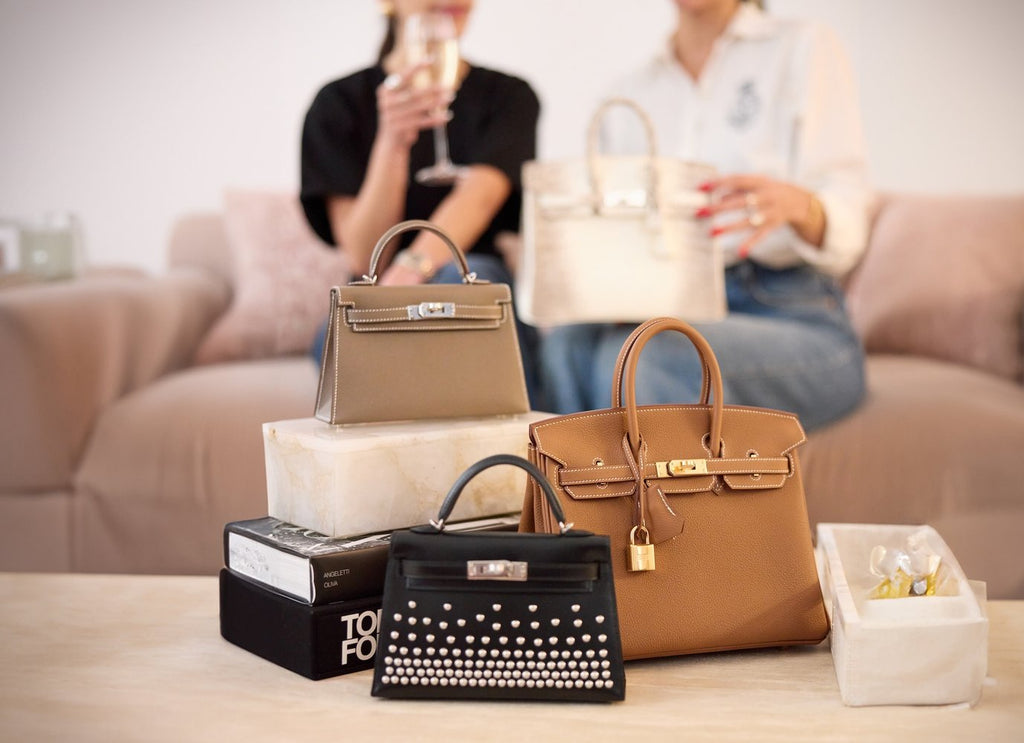
The answer lies in a unique set of market dynamics that few other luxury brands can replicate. Hermès' carefully controlled production, highly selective allocations, and unwavering global demand from collectors has created a scarcity that’s driven the marketplace value not just of its iconic Birkin and Kelly bags but many of the maison’s most coveted collections to record highs. Think of it as "Hermès-onomics," a market shaped not only by craftsmanship, but also by scarcity, desirability, and the realities of a highly nuanced secondary market.
So what exactly determines the price of a Hermès handbag? From boutique pricing and market demand to condition, rarity, and the expertise behind every authenticated piece, here's a closer look at the forces that shape one of luxury's most fascinating markets.
Hermès Retail Price vs. Market Price
For many buyers, one of the biggest surprises when entering the Hermès secondary market is just how dramatically prices can differ from those found in a boutique.
Some of Hermès' most coveted handbags routinely command premiums more than 100%-200% above their original retail price—not because retailers are simply adding a markup, but because the secondary market reflects something entirely different: what buyers are willing to pay to skip “the Hermès Game” and gain immediate access to the bag of their dreams.
| Style | Approximate Boutique Price* | Typical Secondary Market Starting Price** |
| Birkin 25 | From $13,500 | From $18,500 |
| Kelly 25 | From $12,000 | From $19,500 |
| Picotin 18 | From $3,700 | From $4,250 |
| Constance 18 | From $9,000 | From $10,500 |
Hermès determines the retail price of every handbag sold through its boutiques—a reflection of the house's craftsmanship, materials, and manufacturing standards. The secondary market, however, answers what is this exact handbag worth today?
For many collectors, that value is closely tied to access. Rather than competing with boutique pricing, the secondary market exists alongside it, offering immediate access to some of Hermès' most sought-after creations while reflecting the realities of supply, demand, and desirability.
The Scarcity that Shapes the Market
At its core, Hermès pricing follows one of the oldest principles in economics: supply and demand. Unlike many luxury brands, Hermès carefully controls production of its most sought-after handbags. Signature styles such as the Birkin and Kelly are crafted in limited quantities by individual artisans, while boutique availability varies by location, season, and production.

As a result, buyers searching for a very specific combination—a Birkin 25 in Craie Togo leather with Gold Hardware, for example—can't simply place an order and expect immediate delivery. That scarcity creates value in the secondary market. At the same time, buyer demand is constantly evolving. Certain sizes become more popular, seasonal colors develop cult followings, and celebrity appearances or fashion trends can renew interest in particular styles almost overnight. Retail price increases by Hermès can also influence the broader resale landscape as buyers look to secure existing inventory before future boutique prices rise.
The result is a market that moves continuously. Prices aren't static—they respond to changes in both availability and demand, just as they would in any mature luxury market.
The Biggest Factors In Secondary Market Pricing
No single characteristic determines a Hermès handbag's market value. Instead, specialists evaluate the complete combination of features that make each bag unique:
- Date Stamp can significantly influence demand. Newer handbags in Store Fresh or Pristine condition often outperform otherwise similar examples, as buyers place a premium on recent production years that more closely resemble current boutique inventory.
- Size plays an important role, with buyer preferences shifting over time. Compact styles like the Birkin 25 and Kelly 25 have experienced particularly strong demand in recent years, while larger formats appeal to different lifestyles and collectors.
- Leather also influences desirability. Togo remains one of Hermès' most versatile and recognizable leathers, while Box Calf, Barenia, or exotic skins always demand a premium.
- Color can significantly affect market value. Timeless neutrals such as Gold, Etoupe, Black, and Craie hold their value while certain seasonal colors such as Himalaya, Bubblegum, Rose Sakura, Bleu Brume, and Creme chantilly have become holy grail pieces.
- Hardware adds another layer of distinction. Gold and Palladium remain enduring classics, while finishes such as brushed hardware are the most highly-sought after in the market.
Rather than evaluating these characteristics individually, the market considers how they work together. A highly desirable combination of size, leather, color, and hardware may command a meaningful premium over a similar bag with different specifications.
Condition Can Dramatically Influence Price
Even two Hermès handbags produced in the same year can command dramatically different prices depending on how they have been preserved.
In the secondary market, condition is one of the few characteristics that can never be recreated once a handbag leaves the boutique. Collectors carefully evaluate everything from the structure of the leather to the condition of the hardware, with Store Fresh and Pristine examples consistently commanding the strongest premiums.
Even seemingly minor details can influence market value. A handbag that retains its original protective plastic on the hardware often outperforms those without. Likewise, a complete boutique set—including the original orange box, dust bag, and original receipt and supporting documentation—can further enhance value.
Madison Avenue Couture maintains the highest quality curation standards on the secondary market, accepting only a small fraction of the bags submitted for consideration. Each bag is evaluated by a team of Hermès specialists not only for its authenticity but for overall quality. This highly selective curation ensures that clients are presented with exceptional examples that meet the brand's exacting standards—whether they're searching for a Store Fresh Birkin, a pristine Mini Kelly, or a beautifully preserved vintage treasure.
The Value of High-Quality Curation
While it's natural to compare prices when shopping for a Hermès handbag, the lowest price doesn't always represent the greatest value. A handbag backed by rigorous authentication, transparent condition reporting, and decades of specialist expertise offers something that can't easily be reflected in a price alone: confidence.
The secondary market has opened extraordinary opportunities for collectors around the world, offering immediate access to some of Hermès' most coveted creations. Understanding how prices are determined—from supply and demand to condition, craftsmanship, and the expertise behind every listing—allows buyers to appreciate the true value behind every handbag.
FAQs
Why do some Hermès Birkin bags sell for more than retail?
Hermès Birkin bags often sell above their original retail price because the secondary market reflects demand rather than boutique pricing. Immediate availability, limited production, highly sought-after sizes, colors, and leather combinations all contribute to market value.
Why is the secondary market more expensive than buying directly from Hermès?
Boutique pricing reflects the cost of purchasing directly from Hermès, while secondary market pricing reflects the value buyers place on immediate access. The resale market also accounts for authentication, sourcing, curation, professional photography, secure storage, and other services provided by trusted luxury retailers.
Which Hermès bags hold the highest resale value?
While market trends evolve, Birkin and Kelly handbags consistently command the strongest demand on the secondary market.
What makes one Hermès bag more valuable than another on the secondary market?
No single characteristic determines a Hermès handbag's value. Instead, specialists evaluate the combination of size, leather, color, hardware, production year, condition, rarity, and current market demand. Two seemingly similar handbags can command very different prices depending on how these factors come together.
Does the date stamp affect the price of a Hermès bag?
Yes. While certain vintage Hermès handbags are prized for their rarity, newer production years in Store Fresh condition often commands higher premiums because they more closely resemble current boutique inventory.
Featured Articles